Grey Triggerfish Haul Wanchese NC Fishing
Grey Triggerfish Fishing in Wanchese - What to Expect

Fishing Charter by Captain Lance Luke in July
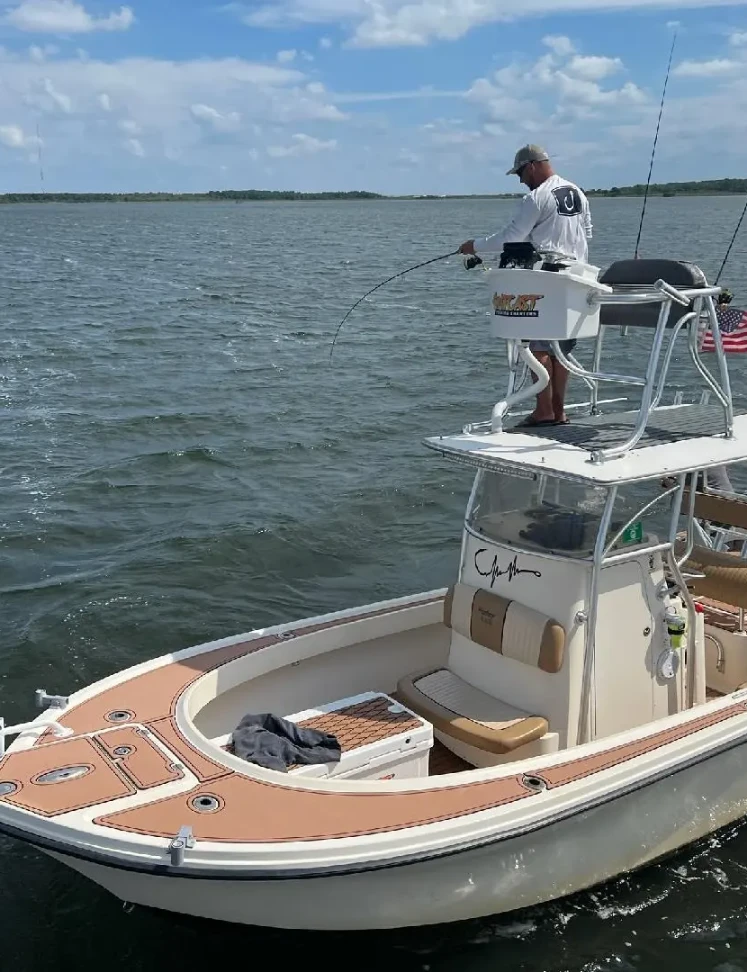
- Premier Fishing Charter In OBX - Wanchese, NC


Summary
This Wednesday in July brought an incredible haul of grey triggerfish during a fishing charter in Wanchese, NC. Lance Luke and Outcast Fishing Charters OBX delivered an unforgettable day on the water, showcasing what makes this coastal area a premier triggerfish destination. Whether you're chasing a trophy catch or looking for action-packed fishing, these waters deliver.
Fishing Charter with Lance Luke - Rates & Booking
Captain Lance Luke of Outcast Fishing Charters OBX on Wednesday in July brings years of local knowledge to every trip. When you book with Lance, you're getting someone who knows exactly where these fish bite and when. His commitment to finding productive water and putting clients on fish is what keeps anglers coming back to Wanchese.
For current rates and to book your triggerfish charter, reach out to Outcast Fishing Charters OBX directly. Whether you're planning a half-day or full-day adventure, they'll get you squared away with all the details you need to prepare.
Highlights of Triggerfish Fishing Around Wanchese
The waters near Wanchese are known for consistent triggerfish action during the summer months. When conditions align and you find the right depth, the bites can be relentless. Multiple fish in the livewell is a very real possibility on a good day with Lance running the show.
What makes these trips special is the combination of good fishing infrastructure, Captain Luke's patience in teaching technique, and the sheer abundance of fish in this area. You're not just hoping for action - you're expecting it.
Local Species Insights: Grey Triggerfish
Grey triggerfish are hard-fighting, hard-biting residents of North Carolina's offshore and nearshore waters. These fish typically hang around structure - reefs, ledges, wrecks, and rocky outcrops - where they hunt for crustaceans and small fish. They're aggressive feeders but can also be stubborn and technical to catch, which is why having a guide like Lance matters.
What makes grey triggerfish so appealing to anglers is their unpredictability and strength. They're not the biggest fish you'll tangle with, but pound-for-pound they fight hard and keep you engaged throughout the fight. You'll feel every head shake and every run. The tackle itself becomes part of the experience - lighter rods work better, and technique counts as much as brute force.
Triggerfish are bottom dwellers that hold tight to structure. They'll bite everything from live shrimp to cut mullet to small jigs. On productive days like the one shown here, you can expect consistent action once you locate their depth and the main bite window opens. The challenge is patience - there's a lot of waiting between intense flurries of activity.
These fish have distinctive personalities. They're curious, they're competitive, and they'll come up hard when they commit to a bite. Watching a school of them interact with your bait is part of the charm of fishing these waters. Some days they cooperate immediately. Other days you need to work for it, adjusting depth, bait type, and technique until everything clicks.
The Wanchese area provides ideal habitat for grey triggerfish, with nearby ledges and structures that attract healthy populations year-round. Summer fishing is particularly productive when water temperatures are warm and fish are actively feeding. Booking with Captain Lance Luke puts you in position to intercept these fish during their feeding windows.
Fishing in Wanchese: Grey Triggerfish
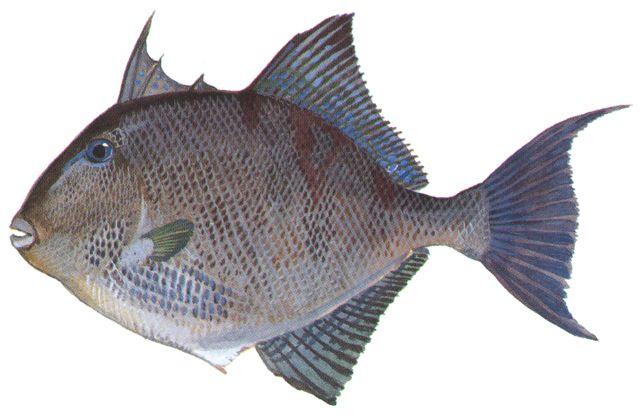
The Grey Triggerfish (Balistes capriscus) from the Balistidae family and Tetraodontiformes order is one of those fascinating fish that every angler should experience at least once. Also known as the Leatherjacket or Leatherneck, this distinctive ray-finned fish sports a pale grey to greenish-grey coloration with three broad dark stripes running across its body and striking blue upper eyes. What really sets them apart is their tough, leather-like skin and that unique trigger mechanism they use to lock themselves into crevices when threatened - it's like watching nature's own security system in action!
Grey Triggerfish Overview
These remarkable fish are true characters of the reef ecosystem, known for their bold personalities and opportunistic feeding habits. Found throughout the Atlantic waters from Nova Scotia down to Argentina, they're particularly abundant around Florida's coastal waters and the Gulf of Mexico. What makes them so notable for anglers is their aggressive feeding behavior and willingness to take almost any bait, though they're notorious for their nibbling technique that can frustrate even experienced fishermen. Their laterally compressed body and distinctive beak-like mouth make them unmistakable once you've encountered one.
Grey Triggerfish Habitat and Distribution
You'll find these adaptable fish thriving in both inshore and offshore environments, typically around hard-bottom areas, rocky ledges, and coral reefs up to about 180 feet deep. Their range extends from the western Atlantic Ocean, including the Caribbean Sea, Gulf of Mexico, and even Bermuda, with some populations having crossed the Atlantic via Gulf Stream currents to establish themselves around the British Isles and Mediterranean. They prefer seaward reefs, bays, and lagoons where they can easily dart into protective crevices when danger approaches. The key to finding them is looking for structure - anywhere there are rocks, reefs, or artificial structures, you're likely to encounter these territorial fish.
Grey Triggerfish Size and Weight
Most specimens you'll encounter range from 19 to 24 inches in length, though the average catch typically measures around 17 inches. These medium-sized fish pack quite a bit of weight for their size, with mature individuals weighing between 11 to 13 pounds. Their robust, compressed body shape gives them surprising heft, and when you hook into a larger specimen, you'll definitely feel the fight they put up. The size can vary significantly based on location and available food sources, with fish in nutrient-rich areas often reaching the upper end of the size spectrum.
Grey Triggerfish Diet and Behavior
As carnivorous opportunists, these fish have earned a reputation as the bulldozers of the reef ecosystem. They use their powerful, sharp teeth to crunch through hard-shelled prey like crabs, sea urchins, shrimp, and various invertebrates, often leaving a trail of destruction that smaller fish follow to feast on the leftovers. Their feeding behavior is quite aggressive - they'll pick apart coral formations to get at hidden prey and aren't shy about competing with other fish for food. This competitive nature makes them relatively easy to target with bait, as they'll often rush in to steal food from other species. Their daily behavior involves patrolling territory during daylight hours and retreating to protective crevices at night.
Grey Triggerfish Spawning or Seasonal Activity
During spawning season, typically in warmer months, these fish become even more territorial and aggressive. Males establish nesting sites in sandy areas near reefs where they create circular depressions for females to deposit eggs. The male guards the nest fiercely, making this period particularly exciting for anglers as the fish become more active and easier to locate. Seasonal movements often bring them into shallower waters during spring and summer months, making them more accessible to recreational fishermen. Their activity levels peak during dawn and dusk feeding periods, though they remain active throughout the day in productive areas.
Grey Triggerfish Techniques for Observation or Capture
The most effective approach involves targeting hard-bottom areas and reef structures using a 6 to 8-ounce sinker to get your bait down quickly to their preferred depths. Squid chunks about an inch wide work exceptionally well since they stay on the hook better than softer baits, and the key is maintaining constant line tension to feel those subtle nibbles before they steal your bait. A particularly effective technique is dropping your bait near other species like snapper or grouper - the competitive nature of these fish means they'll often charge in to steal food from their neighbors. Around popular fishing destinations, try fishing the edges of artificial reefs and bridge pilings where they tend to congregate. Keep your rod tip up and be ready to set the hook quickly, as they're notorious for testing the bait before committing to a full bite.
Grey Triggerfish Culinary or Utilization Notes
While they offer average eating quality compared to some other reef species, many anglers appreciate their firm, white meat when prepared properly. The key to good table fare is immediate cleaning and proper preparation, as the tough skin requires careful removal. Their meat has a mild flavor that takes well to various cooking methods, from grilling to frying, though some find the texture a bit firmer than preferred. They're also valued for their impressive fighting ability, making them a popular target for sport fishing. The sustainability aspect is important to consider, as proper size limits and seasonal restrictions help maintain healthy populations for future generations to enjoy.
Grey Triggerfish Frequently Asked Questions
Q: What is the best bait for Grey Triggerfish?
A: Squid chunks about an inch wide are the top choice because they stay on the hook well despite the fish's nibbling behavior. Shrimp, cut bait, and even small crabs work effectively, but squid's durability gives you the best chance of a solid hookup.
Q: Where can I find Grey Triggerfish in Florida waters?
A: Look for hard-bottom areas, artificial reefs, bridge pilings, and rocky ledges in both inshore and offshore waters up to 180 feet deep. Popular spots include reef systems off the Keys, Gulf Coast artificial reefs, and structure around inlets and passes.
Q: Are Grey Triggerfish good to eat?
A: They provide decent table fare with firm, white meat that has a mild flavor. While not considered premium eating like snapper or grouper, they're certainly edible when cleaned and prepared properly, though the tough skin requires careful removal.
Q: When is the best time to catch Grey Triggerfish?
A: Dawn and dusk feeding periods are typically most productive, though they remain active throughout the day. Warmer months often see increased activity as they move into shallower waters, and fishing around structure during incoming tides can be particularly effective.
Q: Why do Grey Triggerfish steal bait without getting hooked?
A: Their feeding behavior involves nibbling and testing bait before fully committing, which is why maintaining tight line tension and using durable baits like squid is crucial. Setting the hook at the first sign of movement rather than waiting for a strong pull often results in better hookup rates.
Q: How do I prevent Grey Triggerfish from breaking off once hooked?
A: Use sturdy tackle and reel steadily while keeping the rod tip up to prevent them from diving back into structure. Their first instinct when hooked is to head for the nearest crevice or reef, so applying consistent pressure to turn them away from cover is essential for a successful landing.