%2Ffit-in%2F250x250%2Fguide_websites%2F1836%2Fimages%2Foc.jpeg&w=1920&q=100)
/users/00be399a-35fa-4239-8aa4-1919acbfff4f/ratecard/obxr1.jpg)
%2F300x300%2Fusers%2F00be399a-35fa-4239-8aa4-1919acbfff4f%2Fratecard%2Fobxr1.jpg&w=256&q=75)
%2F300x300%2Fusers%2F00be399a-35fa-4239-8aa4-1919acbfff4f%2Fimages%2Fbest-catch-sheepshead-nc-2571.jpg&w=256&q=75)
%2F300x300%2Fusers%2F00be399a-35fa-4239-8aa4-1919acbfff4f%2Fimages%2Ffishing-tour-nc-catch-2589.jpg&w=256&q=75)
%2F300x300%2Fusers%2F00be399a-35fa-4239-8aa4-1919acbfff4f%2Fimages%2Fbluefish-wanchese-fishing-tour-2459.jpg&w=256&q=75)
%2F300x300%2Fusers%2F00be399a-35fa-4239-8aa4-1919acbfff4f%2Fimages%2Ffishing-tour-north-carolina-2440.jpg&w=256&q=75)
%2F300x300%2Fusers%2F00be399a-35fa-4239-8aa4-1919acbfff4f%2Fimages%2Fgreat-fishing-tours-north-carolina-2568.jpg&w=256&q=75)
%2F300x300%2Fusers%2F00be399a-35fa-4239-8aa4-1919acbfff4f%2Fimages%2Ffishing-tour-north-carolina-2464.jpeg&w=256&q=75)
%2F300x300%2Fusers%2F00be399a-35fa-4239-8aa4-1919acbfff4f%2Fimages%2Fangler-fishing-north-carolina-2377.jpeg&w=256&q=75)
%2F300x300%2Fusers%2F00be399a-35fa-4239-8aa4-1919acbfff4f%2Fimages%2Fsheepshead-fishing-tour-wanchese-2526.jpeg&w=256&q=75)
%2F300x300%2Fusers%2F00be399a-35fa-4239-8aa4-1919acbfff4f%2Fimages%2Fsummer-flounder-fishing-tour-nc-2607.jpg&w=256&q=75)
%2F300x300%2Fusers%2F00be399a-35fa-4239-8aa4-1919acbfff4f%2Fimages%2Ffishing-adventure-north-carolina-2430.jpg&w=256&q=75)
Best Outer Banks Fishing Charter | 4-Hour Trip
 Wanchese, NC, United States
What you will be catching:
 Black Drum
 Cobia
Cobia Redfish
 Sea Trout
 Sheepshead
- 4-hour guided fishing trip targeting redfish, black drum, and cobia
- Multiple techniques including jigging, trolling, and live bait fishing
- Parker boat accommodates up to 4 passengers with experienced captains
Trip Pricing and Availabilities:
Half Day Afternoon Fishing in Wanchese
Ready to hit the water for some of the best inshore fishing the Outer Banks has to offer? Join Captains Lance Luke, Andy Ennis, or Mike Midgett for a 4-hour afternoon adventure out of Wanchese, NC. We'll be targeting everything from hard-fighting redfish to tasty flounder, with plenty of action in between. Our custom Parker boat is set up to fish four anglers in comfort, so grab your buddies and let's get after 'em!
What to Expect on the Water
Once we shove off from the Wanchese docks, we'll run to where the fish are biting. Might be in the sound, could be near an inlet, or we might even sneak out into the nearshore ocean if conditions are right. Your captain will pick the prime spot based on tides, wind, and what's been hot lately. We use a mix of techniques to keep lines tight - could be jigging soft plastics for trout one minute, then live-lining menhaden for cobia the next. Don't worry if you're new to fishing, we'll show you the ropes and have you catching in no time. And if you're an old salt, we're always happy to learn a new trick or two ourselves!
Rigs and Tactics
We keep a variety of gear on board to match whatever the fish are in the mood for. Light tackle spinning setups are our bread and butter for most inshore species. We'll rig up with jigs, popping corks, or bottom rigs depending on the target and conditions. For bigger game like cobia or bull reds, we'll break out the heavier conventional gear. Live bait is often the ticket, so we'll usually have a livewell full of mullet, menhaden, or shrimp. But artificial lures have their time and place too - nothing beats the excitement of a topwater blowup on a calm evening. Your captain will dial in the presentation to put you on fish.
Top Catches This Season
The beauty of fishing the OBX is the variety - you never know what might end up on the end of your line. But there are definitely some local favorites we'll be on the hunt for. Redfish (we call 'em puppy drum when they're smaller) are probably the most popular inshore target. They pull like freight trains and school up in good numbers. Black drum are their cousins, and while they might not run as hard, they're great eating. Speckled trout are another staple - we get some real gators in these waters. Flounder fishing can be red hot in the summer months. And of course, there's always the chance of hooking into a bruiser cobia if conditions are right. Whatever's biting, we'll put you on 'em!
Species You'll Want to Hook
Red Drum: The crown jewel of Outer Banks inshore fishing. These copper-colored beauties can range from just a few pounds up to 50+ for the big bulls. They often travel in schools, so when you find 'em, it can be non-stop action. Redfish love to cruise the flats and hang around structure. In the fall, big schools of bull reds migrate along the beaches - it's a sight to behold. They'll hit everything from live bait to artificial lures, and put up an awesome fight on light tackle.
Black Drum: Cousins to the redfish, black drum are another local favorite. They tend to hang in the same areas as reds, often mixed right in with them. Black drum get their name from the deep, drumming sound they make. While they don't typically run as hard as redfish, they can still put a nice bend in the rod. They're also excellent eating, especially the smaller "puppy" drum. We target them with natural baits like crab and shrimp, often fished on the bottom.
Speckled Trout: Also called spotted seatrout, these guys are a blast on light tackle. They have soft mouths, so a gentle hook set is key. Specks will hit just about any bait or lure, but they're suckers for a well-presented soft plastic under a popping cork. The average size is 1-3 pounds, but gator trout pushing 5+ pounds are not uncommon in these waters. Fall is prime time for big specks, but we catch them year-round.
Cobia: These bruisers start showing up in late spring and stick around through summer. They can grow over 100 pounds, though most we encounter are in the 20-50 pound range. Cobia are known for their powerful runs and tendency to dive for structure once hooked. They're often found near buoys, channel markers, or just cruising the surface. Sight-casting to cobia is a huge rush - they'll readily take a well-placed bucktail jig or live eel.
Flounder: Flatties are a summertime staple in these parts. They love to hang on sandy bottoms near structure, ambushing baitfish that swim by. We catch them on both live bait and artificial lures. A slow-rolled soft plastic or live finger mullet bounced along the bottom is hard to beat. Flounder have to be one of the tastiest fish that swims, so they're always a welcome addition to the cooler.
Time to Book Your Spot
Whether you're a seasoned angler or it's your first time wetting a line, our half day afternoon trip is the perfect way to experience the legendary fishing of the Outer Banks. We provide all the gear, bait, and know-how - you just bring your sense of adventure. With a max of four guests, everyone gets plenty of attention and fishing time. And hey, there's no better way to cap off a day at the beach than with some bent rods and full coolers. So what are you waiting for? The fish are biting, and we've got a spot on the boat with your name on it. Let's make some memories on the water!
Learn more about the animals
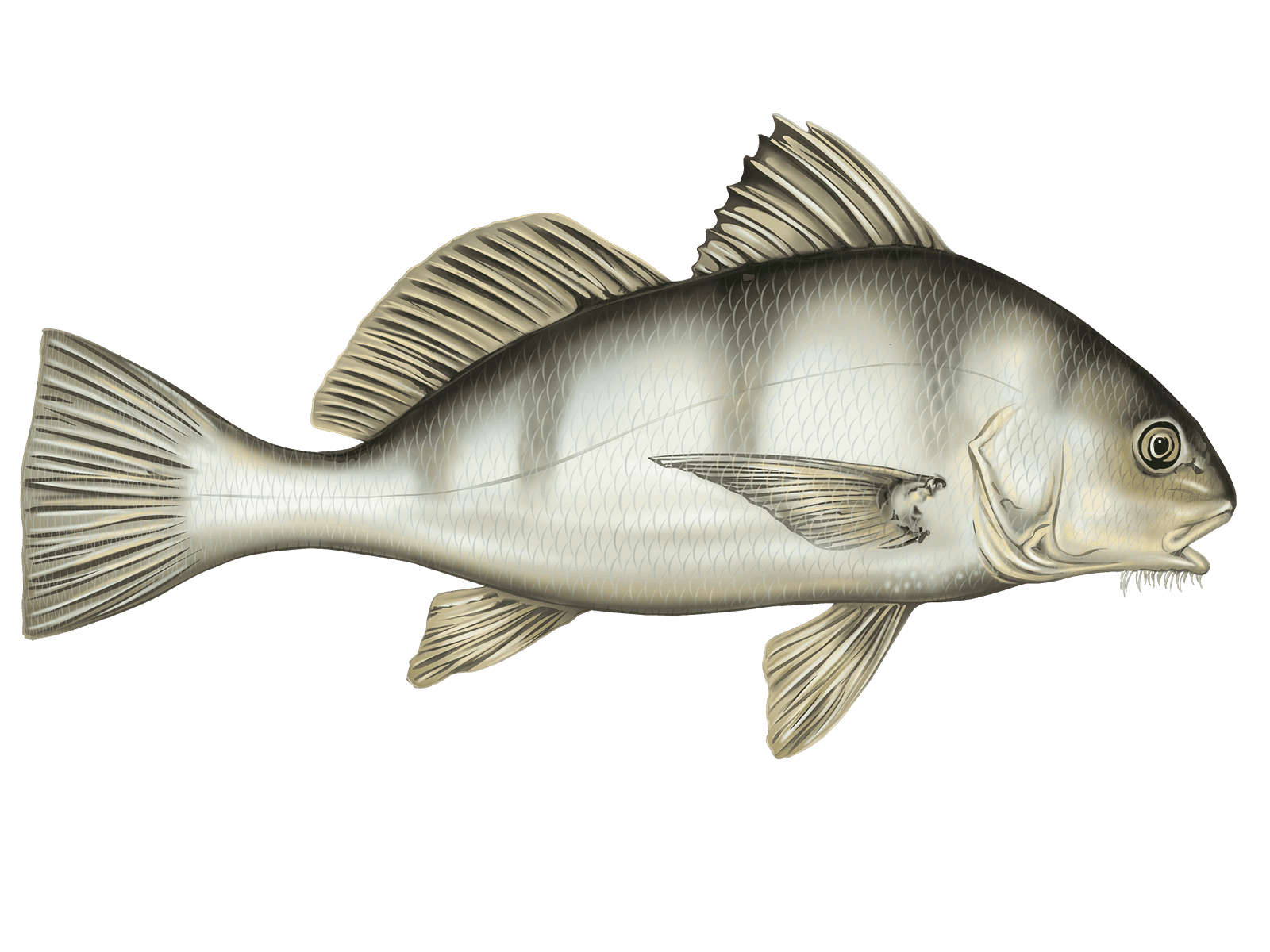
Black Drum
These big bruisers are a favorite target around here. Black drum typically run 5-30 pounds, but the monsters can hit 90 pounds. You'll find them hanging around oyster beds, mudflats, and inlets. They love crustaceans, so fresh crab or clams are your best bet for bait. Spring is prime time when they school up to spawn. Black drum put up a great fight, especially the bigger ones. They make that distinctive croaking sound, which is pretty cool to hear. The meat on smaller drum (under 15 pounds) is tasty, but the big ones get tough. Here's a local tip - if you're sight fishing, look for their tails sticking up as they root around on the bottom. Cast ahead of them and let your bait sink. Once you hook one, hold on tight!
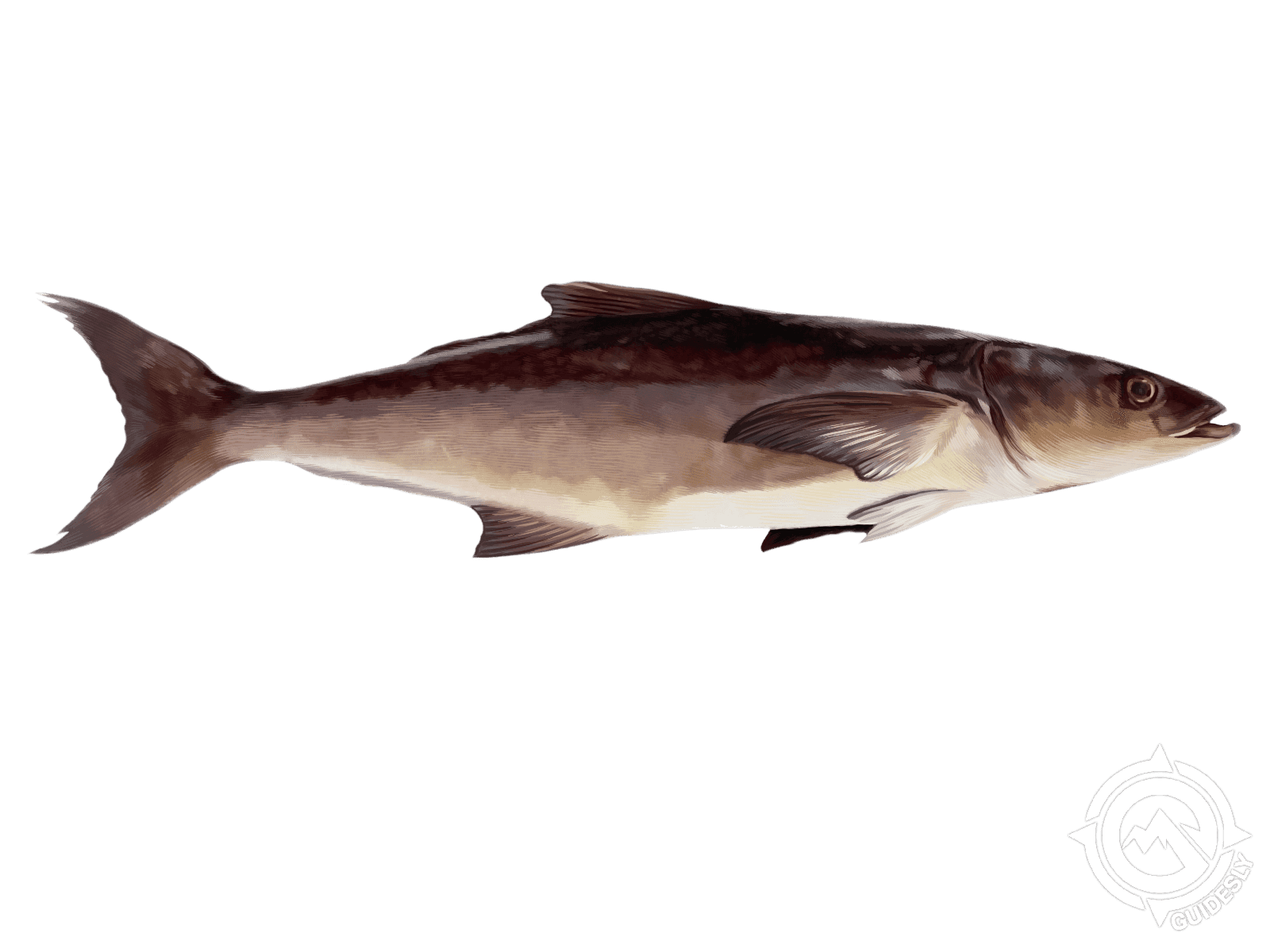
Cobia
Cobia are one of those fish that'll really test your skills. These bruisers can top 6 feet and 100 pounds, though 30-50 pounders are more common. They migrate through our waters in late spring, often hanging around buoys, wrecks, and other structure. Cobia are loners, so when you spot one, it's game on. Sight fishing for them is a rush - look for that distinctive shark-like profile just under the surface. They'll hit just about any lure, but a big bucktail jig is hard to beat. Cobia put up an epic fight, often making several runs and even jumping. The meat is excellent too, with a firm texture perfect for grilling. Here's a local trick: if you see rays, keep an eye out for cobia swimming alongside them. Cast well ahead and hold on tight!
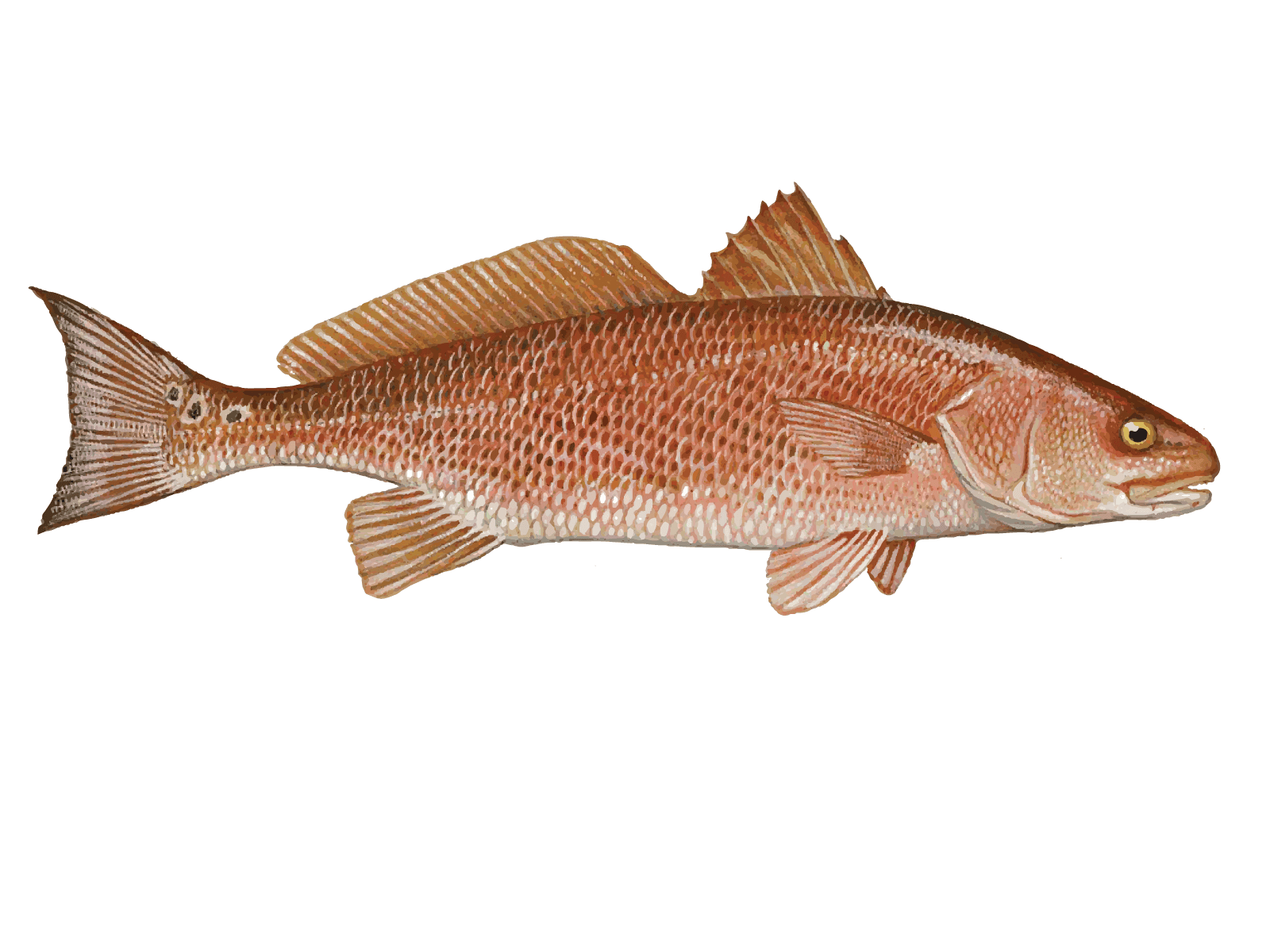
Redfish
Redfish, or red drum, are one of our most popular gamefish. These copper-colored beauties usually run 20-30 inches inshore, but the big bulls can top 40 inches. Look for them tailing in super shallow water - sometimes their backs are even out of the water! They love hanging around oyster beds and grass flats. Fall is prime time when they school up, but you can catch 'em year-round. Redfish put up a great fight and they're not picky eaters. Try topwater lures for explosive strikes or slow-roll a jig along the bottom. Here's a pro tip: on calm days, cruise the flats and look for their distinctive tail waving above water as they root for crabs. Cast well ahead and let your bait sink. The meat is excellent too - firm and mild. Just watch out for that slot limit!
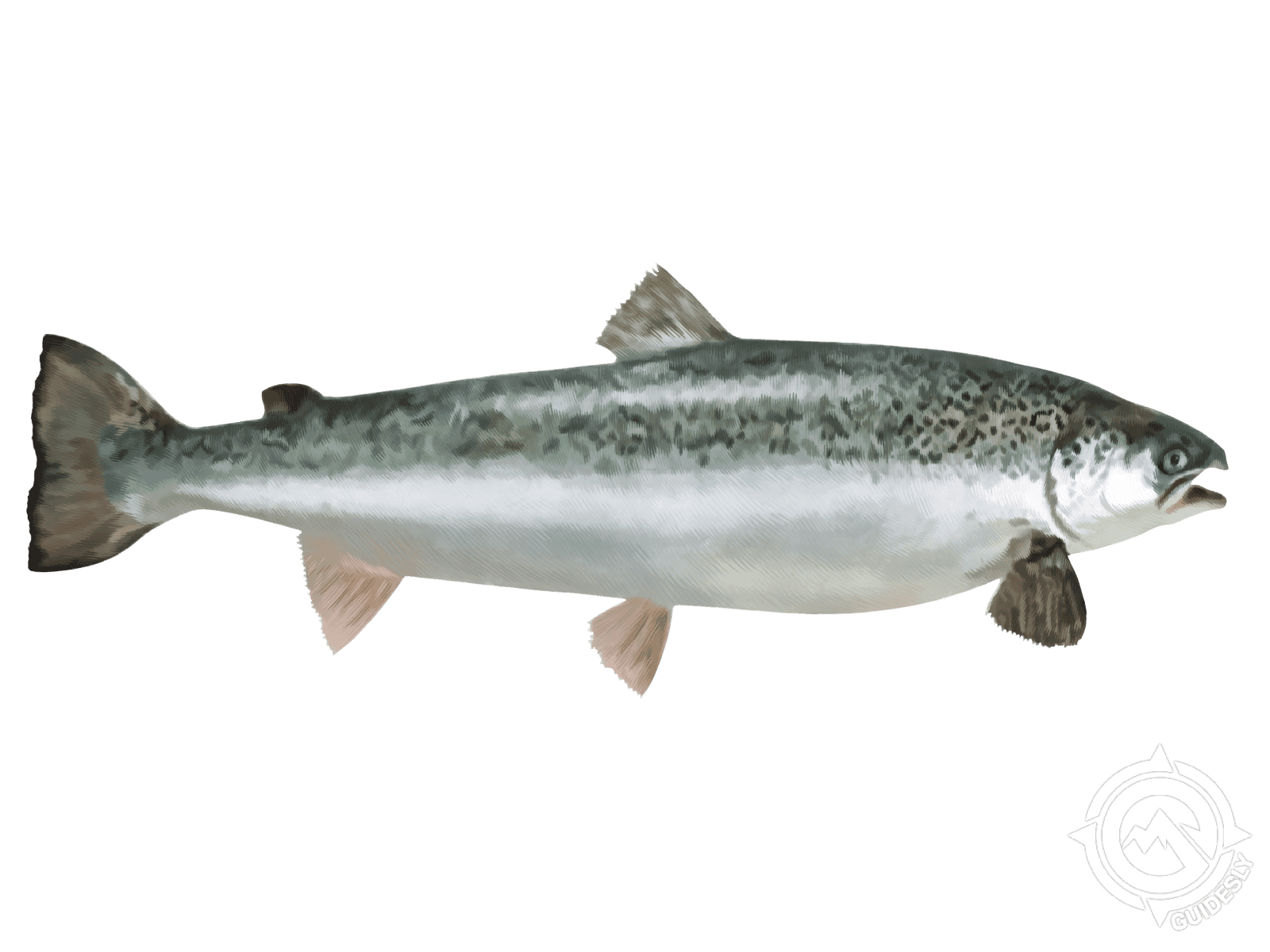
Sea Trout
Sea trout, or specks as we call 'em, are a blast to catch. These silvery fish usually run 14-24 inches and put up a great fight on light tackle. You'll find them in grass flats and shallow waters, especially at night. They love to hit topwater lures, which makes for some exciting strikes. Spring and fall are your best bets, but winter can be good too if you find deep holes where they school up. Sea trout have a soft, delicate flavor that's hard to beat. Here's a local trick - on calm days, look for their distinctive V-wake as they cruise the flats. Cast ahead of them and work your lure slowly. Once you find a school, you can often catch several before they wise up. Just remember to handle them gently if you're releasing them.
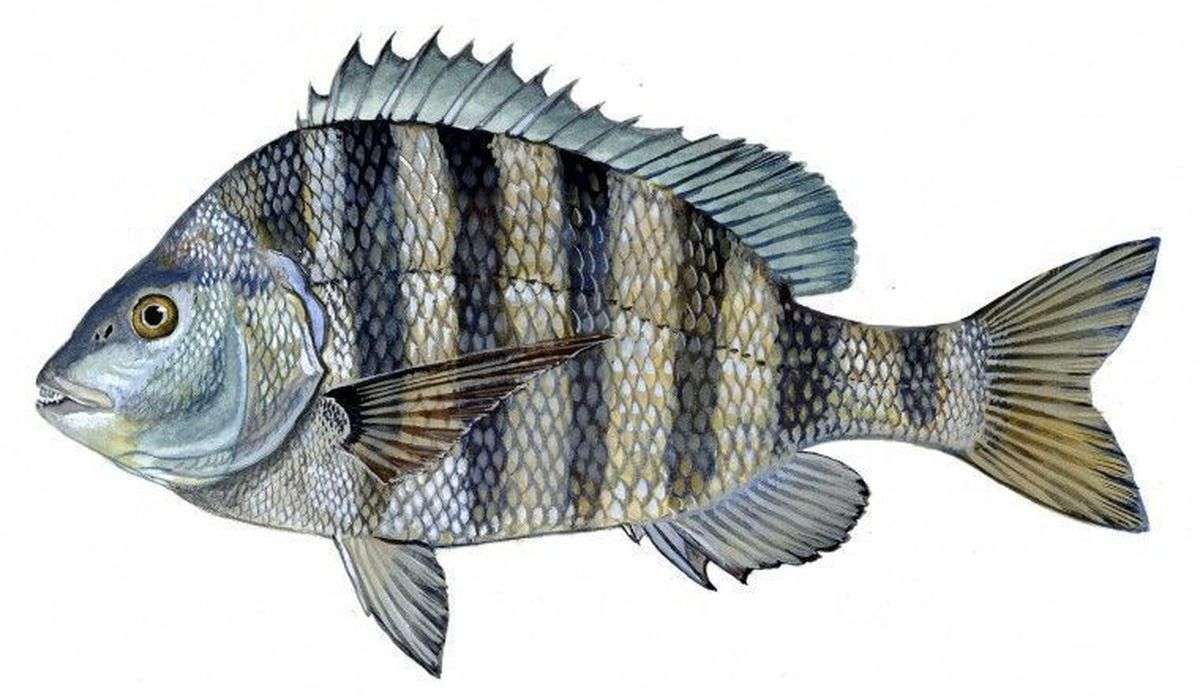
Sheepshead
Sheepshead are one of the trickier fish to catch, but man are they fun. These striped "convict fish" usually run 1-8 pounds and love hanging around docks, bridges, and oyster beds. They've got human-like teeth perfect for crushing crabs and barnacles. Spring is prime time as they school up to spawn. Sheepshead are notorious bait stealers, so you gotta be quick on the hook set. Use light tackle and fish as close to structure as you can. Fresh fiddler crabs or oysters are tough to beat for bait. Pro tip: scrape some barnacles off a piling to chum them up. The fight is solid and the meat is sweet - just watch out for those sharp fins when cleaning 'em. It takes some practice, but landing a big sheepshead is super satisfying.
About the Parker
%2F%2Fusers%2F00be399a-35fa-4239-8aa4-1919acbfff4f%2Fvehicle_picture%2Fobxboat.jpg&w=1920&q=75)
Vehicle Guest Capacity: 4
Manufacturer Name: 2023 Suzuki
Maximum Cruising Speed: 50
Number of Engines: 1
Horsepower per Engine: 250