Grey Triggerfish Charter in Wanchese NC
Grey Triggerfish Fishing in Wanchese - What to Expect

Fishing Charter by Captain Lance Luke in June
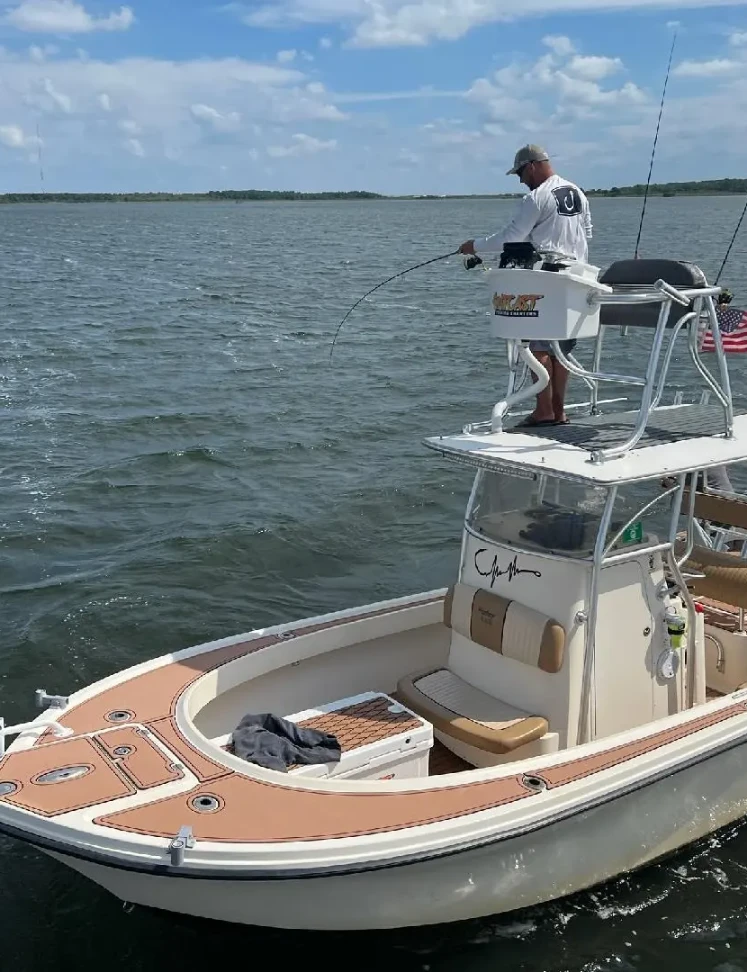
- Premier Fishing Charter In OBX - Wanchese, NC


Summary
Join Captain Lance Luke of Outcast Fishing Charters OBX for a productive fishing charter on Tuesday, June 9th targeting grey triggerfish in Wanchese waters. This guided fishing experience showcases local expertise and the prime offshore conditions that make North Carolina's Outer Banks a premier fishing destination for both inshore and offshore species.
Fishing Charter with Captain Lance Luke - Rates & Booking
Captain Lance Luke of Outcast Fishing Charters OBX on Tuesday, June delivers expert-guided fishing experiences targeting species thriving in Wanchese waters. As a seasoned local guide, Captain Luke combines years of regional knowledge with proven fishing techniques to maximize your success on the water. His charter operations focus on delivering authentic fishing experiences where anglers can test their skills against capable game fish while learning professional-grade tactics from someone who works these waters year-round.
To book your fishing charter or inquire about availability and pricing, contact Outcast Fishing Charters OBX directly. Captain Luke personalizes each trip based on current conditions, target species, and your skill level, ensuring every angler gets the most productive experience possible.
Highlights of Offshore Fishing with Captain Luke
Wanchese, positioned on Roanoke Island at the heart of the Outer Banks, offers exceptional access to productive fishing grounds. Captain Luke's operation takes advantage of nearby offshore structure, drop-offs, and nutrient-rich waters that attract grey triggerfish and other premium game fish. The waters here support consistent year-round fishing with seasonal peaks that vary by target species.
Grey triggerfish represent one of the more challenging and rewarding species in these offshore environments. These fish are known for their intelligence, aggressive behavior, and impressive fight, making them a favorite among experienced anglers seeking a genuine challenge. The satisfaction of successfully targeting and landing a grey triggerfish comes from understanding their behavior and adapting techniques on the fly.
Local Species Insights: Grey Triggerfish
Grey triggerfish are found in offshore waters along the Atlantic coast, thriving in rocky reef structures, shipwrecks, and artificial reefs where food sources concentrate. These fish are built for their environment with a powerful jaw and specialized teeth designed for crushing hard-shelled prey like mollusks and crustaceans. Their torpedo-shaped body allows rapid acceleration when attacking baits or fleeing threats, and their intelligence means they quickly learn to avoid obvious presentations.
In Wanchese waters, grey triggerfish are encountered at depths ranging from 60 to 200 feet, typically around defined structure where baitfish and crustaceans concentrate. These fish are territorial and competitive, behaviors that make them susceptible to skilled angling when approached correctly. They're known for their willingness to strike baits and artificial offerings, but their sharp senses and selective feeding patterns require precision and patience. A successful trigger bite demands exact bait placement, proper weight and rigging, and quick reflexes when the strike occurs.
Captain Luke's experience targeting triggers comes from hundreds of trips working these specific grounds. He understands the seasonal windows when triggers move into accessible waters, the precise depths and structural elements that hold concentrations, and the presentation techniques that generate strikes from even the most finicky fish. Grey triggerfish also provide excellent table fare for those interested in keeping their catch, with firm white meat that cooks well across multiple preparation methods.
The offshore environment around Wanchese supports a complete ecosystem where grey triggerfish occupy a mid-level predator role. The same reefs and structures that hold triggers also hold other species, meaning your charter day might produce multiple species encounters and learning opportunities. Understanding how different fish species use the same habitat creates a richer appreciation for the offshore fishing experience.
Plan Your Fishing Day
A typical charter with Captain Luke begins in the early morning hours when light conditions and fish feeding activity align optimally. The boat departs Wanchese waters and heads to predetermined structures known to hold target species. Throughout the day, Captain Luke adjusts location based on real-time conditions and bite activity, using his extensive local knowledge to stay on productive ground.
Your charter includes all essential fishing equipment and tackle suitable for offshore species, professional guidance on technique and tackle adjustment, and Captain Luke's expertise reading the water and locating fish. Most trips accommodate small groups, allowing personalized attention and instruction for each participant. Whether you're an experienced offshore angler or trying this style of fishing for the first time, the charter structure ensures productive fishing with expert guidance throughout.
Fishing in Wanchese: Grey Triggerfish
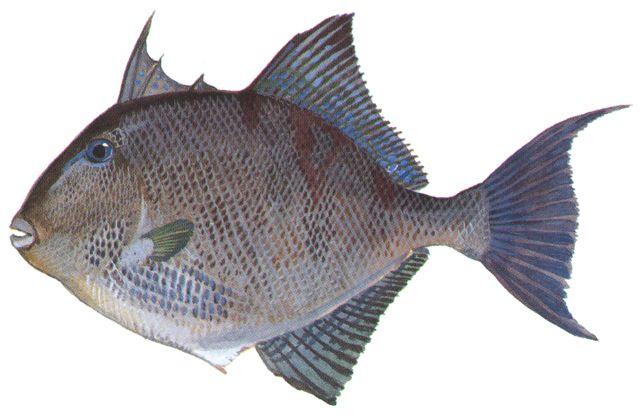
The Grey Triggerfish (Balistes capriscus) from the Balistidae family and Tetraodontiformes order is one of those fascinating fish that every angler should experience at least once. Also known as the Leatherjacket or Leatherneck, this distinctive ray-finned fish sports a pale grey to greenish-grey coloration with three broad dark stripes running across its body and striking blue upper eyes. What really sets them apart is their tough, leather-like skin and that unique trigger mechanism they use to lock themselves into crevices when threatened - it's like watching nature's own security system in action!
Grey Triggerfish Overview
These remarkable fish are true characters of the reef ecosystem, known for their bold personalities and opportunistic feeding habits. Found throughout the Atlantic waters from Nova Scotia down to Argentina, they're particularly abundant around Florida's coastal waters and the Gulf of Mexico. What makes them so notable for anglers is their aggressive feeding behavior and willingness to take almost any bait, though they're notorious for their nibbling technique that can frustrate even experienced fishermen. Their laterally compressed body and distinctive beak-like mouth make them unmistakable once you've encountered one.
Grey Triggerfish Habitat and Distribution
You'll find these adaptable fish thriving in both inshore and offshore environments, typically around hard-bottom areas, rocky ledges, and coral reefs up to about 180 feet deep. Their range extends from the western Atlantic Ocean, including the Caribbean Sea, Gulf of Mexico, and even Bermuda, with some populations having crossed the Atlantic via Gulf Stream currents to establish themselves around the British Isles and Mediterranean. They prefer seaward reefs, bays, and lagoons where they can easily dart into protective crevices when danger approaches. The key to finding them is looking for structure - anywhere there are rocks, reefs, or artificial structures, you're likely to encounter these territorial fish.
Grey Triggerfish Size and Weight
Most specimens you'll encounter range from 19 to 24 inches in length, though the average catch typically measures around 17 inches. These medium-sized fish pack quite a bit of weight for their size, with mature individuals weighing between 11 to 13 pounds. Their robust, compressed body shape gives them surprising heft, and when you hook into a larger specimen, you'll definitely feel the fight they put up. The size can vary significantly based on location and available food sources, with fish in nutrient-rich areas often reaching the upper end of the size spectrum.
Grey Triggerfish Diet and Behavior
As carnivorous opportunists, these fish have earned a reputation as the bulldozers of the reef ecosystem. They use their powerful, sharp teeth to crunch through hard-shelled prey like crabs, sea urchins, shrimp, and various invertebrates, often leaving a trail of destruction that smaller fish follow to feast on the leftovers. Their feeding behavior is quite aggressive - they'll pick apart coral formations to get at hidden prey and aren't shy about competing with other fish for food. This competitive nature makes them relatively easy to target with bait, as they'll often rush in to steal food from other species. Their daily behavior involves patrolling territory during daylight hours and retreating to protective crevices at night.
Grey Triggerfish Spawning or Seasonal Activity
During spawning season, typically in warmer months, these fish become even more territorial and aggressive. Males establish nesting sites in sandy areas near reefs where they create circular depressions for females to deposit eggs. The male guards the nest fiercely, making this period particularly exciting for anglers as the fish become more active and easier to locate. Seasonal movements often bring them into shallower waters during spring and summer months, making them more accessible to recreational fishermen. Their activity levels peak during dawn and dusk feeding periods, though they remain active throughout the day in productive areas.
Grey Triggerfish Techniques for Observation or Capture
The most effective approach involves targeting hard-bottom areas and reef structures using a 6 to 8-ounce sinker to get your bait down quickly to their preferred depths. Squid chunks about an inch wide work exceptionally well since they stay on the hook better than softer baits, and the key is maintaining constant line tension to feel those subtle nibbles before they steal your bait. A particularly effective technique is dropping your bait near other species like snapper or grouper - the competitive nature of these fish means they'll often charge in to steal food from their neighbors. Around popular fishing destinations, try fishing the edges of artificial reefs and bridge pilings where they tend to congregate. Keep your rod tip up and be ready to set the hook quickly, as they're notorious for testing the bait before committing to a full bite.
Grey Triggerfish Culinary or Utilization Notes
While they offer average eating quality compared to some other reef species, many anglers appreciate their firm, white meat when prepared properly. The key to good table fare is immediate cleaning and proper preparation, as the tough skin requires careful removal. Their meat has a mild flavor that takes well to various cooking methods, from grilling to frying, though some find the texture a bit firmer than preferred. They're also valued for their impressive fighting ability, making them a popular target for sport fishing. The sustainability aspect is important to consider, as proper size limits and seasonal restrictions help maintain healthy populations for future generations to enjoy.
Grey Triggerfish Frequently Asked Questions
Q: What is the best bait for Grey Triggerfish?
A: Squid chunks about an inch wide are the top choice because they stay on the hook well despite the fish's nibbling behavior. Shrimp, cut bait, and even small crabs work effectively, but squid's durability gives you the best chance of a solid hookup.
Q: Where can I find Grey Triggerfish in Florida waters?
A: Look for hard-bottom areas, artificial reefs, bridge pilings, and rocky ledges in both inshore and offshore waters up to 180 feet deep. Popular spots include reef systems off the Keys, Gulf Coast artificial reefs, and structure around inlets and passes.
Q: Are Grey Triggerfish good to eat?
A: They provide decent table fare with firm, white meat that has a mild flavor. While not considered premium eating like snapper or grouper, they're certainly edible when cleaned and prepared properly, though the tough skin requires careful removal.
Q: When is the best time to catch Grey Triggerfish?
A: Dawn and dusk feeding periods are typically most productive, though they remain active throughout the day. Warmer months often see increased activity as they move into shallower waters, and fishing around structure during incoming tides can be particularly effective.
Q: Why do Grey Triggerfish steal bait without getting hooked?
A: Their feeding behavior involves nibbling and testing bait before fully committing, which is why maintaining tight line tension and using durable baits like squid is crucial. Setting the hook at the first sign of movement rather than waiting for a strong pull often results in better hookup rates.
Q: How do I prevent Grey Triggerfish from breaking off once hooked?
A: Use sturdy tackle and reel steadily while keeping the rod tip up to prevent them from diving back into structure. Their first instinct when hooked is to head for the nearest crevice or reef, so applying consistent pressure to turn them away from cover is essential for a successful landing.