%2Ffit-in%2F250x250%2Fguide_websites%2F1836%2Fimages%2Foc.jpeg&w=1920&q=100)
Catch Sheepshead on a Fishing Charter in Wanchese NC
Sheepshead Fishing in Wanchese - What to Expect
%2F%2Fusers%2F00be399a-35fa-4239-8aa4-1919acbfff4f%2Fimages%2Fwanchese-sheepshead-fishing-tour-2723.jpeg&w=1920&q=75)
Fishing Charter by Captain Lance Luke in July
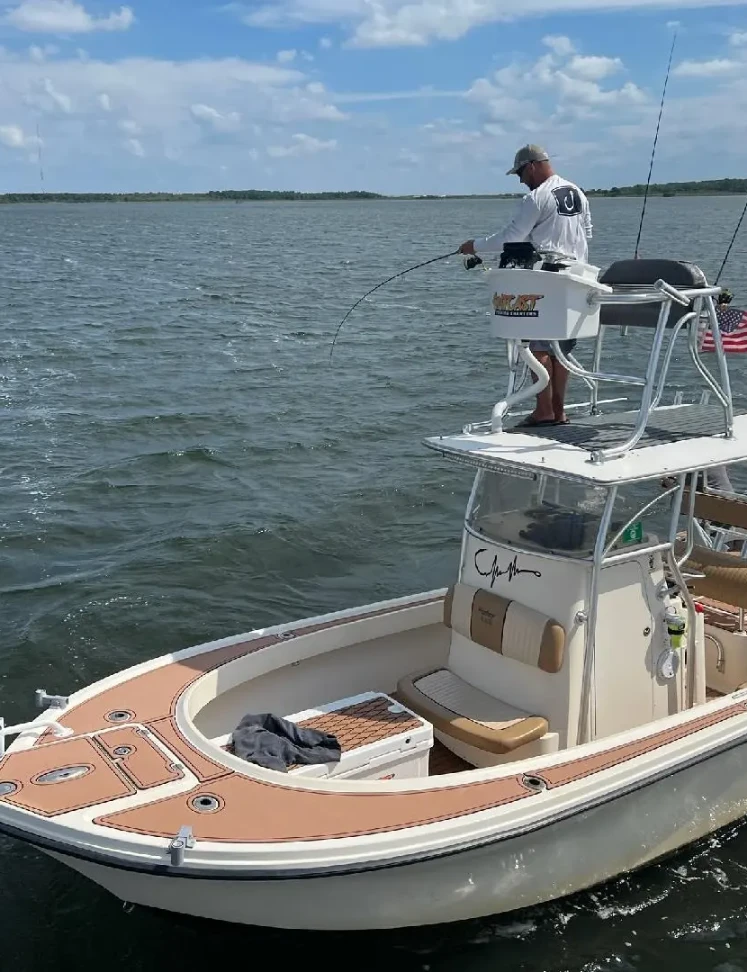
- Premier Fishing Charter In OBX - Wanchese, NC


Summary
Join Captain Lance Luke of Outcast Fishing Charters OBX on Wednesday, July 1st for an exhilarating fishing charter targeting sheepshead in Wanchese, North Carolina. This dynamic outing delivers hard-hitting action as you battle these powerful fish in prime coastal waters. Whether you're chasing your first catch or adding to your trophy count, this fishing charter combines skill, excitement, and local expertise.
Fishing Charter with Captain Lance Luke - Rates & Booking
Captain Lance Luke of Outcast Fishing Charters OBX on Wednesday, July brings explosive action to the waters around Wanchese, North Carolina. This fishing charter puts you on the front lines of hard-fighting sheepshead, delivering the kind of heart-pounding moments that define a legendary day on the water. The experience combines proven techniques with local knowledge, ensuring every cast counts and every hookset matters.
Ready to get in the action? Book your charter with Outcast Fishing Charters OBX today. Captain Luke's expertise and dedication to client success make this the perfect destination for serious anglers seeking trophy-class fish and unforgettable memories. Reserve your spot online now.
Highlights of Your Fishing Charter
This charter delivers pure adrenaline from the moment you leave the dock. Sheepshead are known for their aggressive strikes and powerful runs, making every moment on deck vital and thrilling. The waters off Wanchese provide ideal conditions for targeting these hard-fighting fish, with structure and depth that concentrate baitfish and keep sheepshead actively feeding.
Captain Luke's proven tactics maximize your chances of connecting with quality fish. The pace stays intense throughout the outing, with constant opportunities to hook up and battle these aggressive strikers. You'll experience the rush of fast reeling, tight lines, and the unmistakable power of sheepshead in full combat mode.
Local Species Insights: Sheepshead
Sheepshead are among the most aggressive and hard-fighting fish you'll encounter in North Carolina coastal waters. These powerful fish possess distinctive teeth that grip tackle and lines with incredible force, earning respect from experienced anglers everywhere. Found around structure, pilings, and rocky bottoms, sheepshead rely on hard-hitting strikes and relentless runs to escape capture.
The Wanchese area offers prime sheepshead habitat with structure-rich bottoms and strong tidal flows that push baitfish into feeding zones. During prime season, sheepshead congregate in predictable locations where experienced guides like Captain Luke know exactly where to position the boat for maximum connection rates. These fish don't hesitate - they attack baited hooks with authority and pull hard once hooked.
Sheepshead thrive in the sound waters and coastal areas surrounding Wanchese, utilizing their aggressive feeding patterns throughout the tidal cycle. The shallow to moderate depths around the area concentrate fish and create ideal conditions for the intense, fast-paced action that defines sheepshead fishing. Every strike feels explosive, every hookset demands sharp reflexes, and every battle tests your skill and endurance.
The experience of battling sheepshead builds confidence and sharpens your technique. These fish reward precision and patience with non-stop action and unforgettable moments. Captain Luke's deep understanding of sheepshead behavior, feeding patterns, and seasonal movements ensures your charter maximizes opportunities for hookups and memorable battles on the water.
Fishing in Wanchese: Sheepshead
Sheepshead Overview
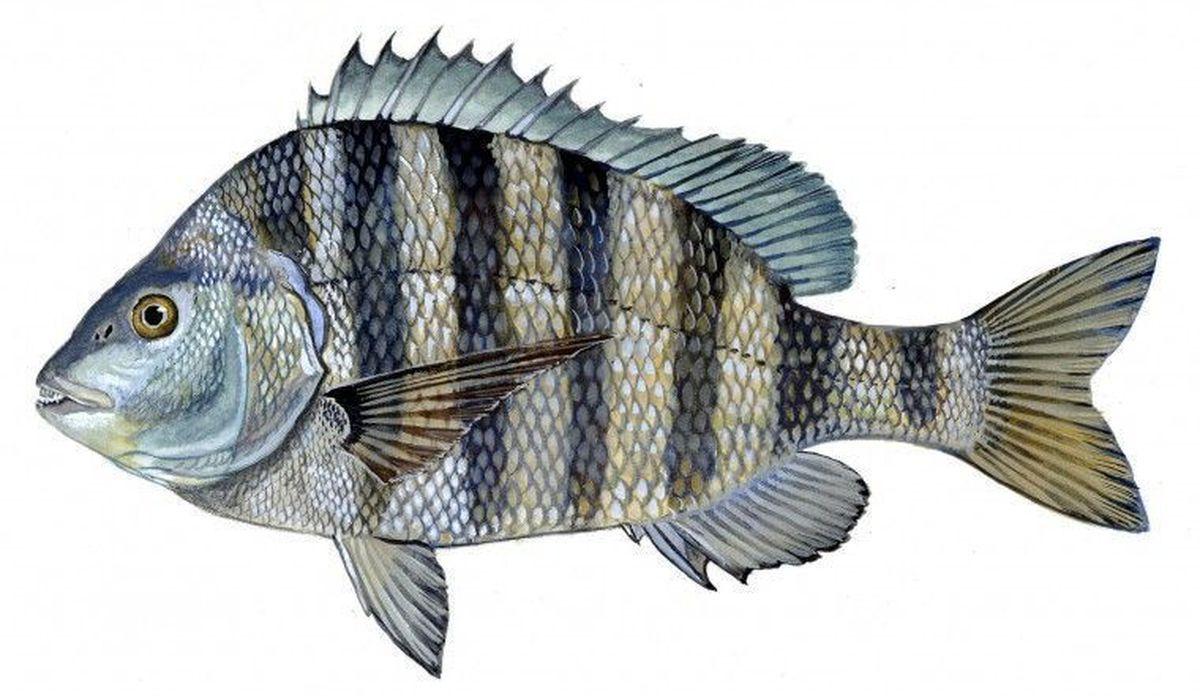
The Sheepshead (Archosargus Probatocephalus) belongs to the family Sparidae and order Perciformes, making it a distinguished member of the sea bream family found along the Atlantic coast and Gulf of Mexico. This beautifully compressed grey fish is instantly recognizable by its five to seven dark vertical bars running along its sides, a pattern that earned it the colorful nickname 'convict fish.' But what really sets the Sheepshead apart—and often gets a laugh from first-time anglers—are its strikingly human-like teeth, complete with molars perfect for crushing shells and barnacles. These teeth have made Sheepshead a legend in fishing communities from Florida to Nova Scotia, and they're a key reason why landing one is such a memorable experience. Interestingly, Sheepshead Bay in New York was named after these abundant fish, though pollution and development have since caused their populations there to decline dramatically.
Sheepshead Habitat and Distribution
Sheepshead thrive around any structure they can find—docks, bridges, petroleum rigs, jetties, and barnacle-covered pilings are their favorite hangouts. These fish are structure-lovers through and through; you'll rarely find them far from cover, though they'll occasionally venture closer to shore to hunt sand fleas and other crustaceans. The highest concentrations of Sheepshead are found along the entire east coast of the United States, with particularly robust populations from south Florida through the Gulf of Mexico. Northwest Florida sees exceptional numbers thanks to its abundance of artificial structures and pier pilings, making it a hotspot for anglers seeking these elusive fish. They've also been documented as far north as Nova Scotia during warmer months, though they're most abundant in warmer waters year-round.
Sheepshead Size and Weight
Typical Sheepshead range from 1 to 8 pounds and measure 14 to 20 inches in length, making them a rewarding catch for most anglers. However, if fortune smiles on you, these fish can grow considerably larger—trophy specimens have been documented at 20 pounds and 35 inches long. What's truly impressive about Sheepshead is their longevity; these fish can live up to 20 years in the wild, meaning that larger individual you hook could be a veteran of two decades of survival. This combination of size potential and lifespan makes the Sheepshead a respected quarry among serious anglers.
Sheepshead Diet and Behavior
Sheepshead are opportunistic feeders with a particular passion for hard-shelled prey. Their diet consists primarily of barnacles, small stone crabs, and fiddler crabs scraped from pilings and rocky structures, but they also consume shrimp, mollusks, minnows, clams, and squid when available. These fish are notorious bait stealers—they'll nibble delicately at your offering, working to loosen it from the hook with surprising finesse before committing to a full strike. This behavior can be maddening for inexperienced anglers but is part of what makes Sheepshead fishing so exciting and challenging. Once hooked, their powerful mouths and strong jaws require aggressive hook sets to ensure a solid connection. They're also pelagic, meaning they don't always stay at the bottom; they can be found hovering at various depths depending on food availability and water conditions.
Sheepshead Spawning and Seasonal Activity
Sheepshead exhibit fascinating spawning behavior, forming enormous aggregations of up to 10,000 fish that migrate to specific structures during breeding season. These fish move toward channel passes, offshore reefs, jetties, and oil platforms during their spawning period, which primarily occurs in early spring from February through April. Understanding this seasonal movement is crucial for anglers planning trophy hunts, as these spawning aggregations can concentrate fish in predictable locations during these months. Outside the spawning season, Sheepshead remain relatively localized around their preferred structures, making them year-round targets in warmer climates.
Sheepshead Techniques for Observation and Capture
Boat Fishing Method: If you're approaching Sheepshead from a boat, avoid dropping anchor if possible, as the disturbance will spook these wary fish. Instead, position your boat close to the structure—pilings, reefs, or wrecks—and cast your bait as near to the cover as you safely can. Use light tackle and allow your bait to hit bottom, then slowly bring it up in 1-foot increments to determine where the fish are suspended. This vertical exploration is essential since Sheepshead don't always feed on the bottom. Set your bait firmly on the hook to resist their notorious nibbling, and when you feel the weight of a fish working your bait, set the hook with aggression—their powerful jaws require a solid connection.
Shore-Based Method: Dock and seawall anglers can be equally successful by casting their bait as close to pilings as possible, just as boat anglers would. The same vertical jigging technique applies; let your bait work at different depths to locate where the fish are holding. If local regulations permit, consider scraping barnacles off the pilings with a rake to create a scent trail of meat pieces in the water—Sheepshead will zero in on this natural chum and come to you.
Bait and Jig Selection: Natural baits are always your best bet, with shrimp-tipped jigs being an excellent choice when live bait isn't available. The heavier weight of a jig helps keep your presentation near the structure and prevents the current from dragging it away. Around popular fishing destinations in Florida and the Gulf, guides often recommend fiddler crabs and stone crabs as premium options. Fresh shrimp, clams, and squid also work well. Timing your trip for early morning or late evening, when Sheepshead are most active, will significantly improve your odds.
Sheepshead Culinary and Nutritional Notes
Sheepshead is an excellent choice for the dinner table, offering delicate white flesh with a mild, slightly sweet flavor that appeals to most palates. The fish is rich in protein and omega-3 fatty acids, making it a nutritious addition to any diet, and it's notably low in mercury, so you can enjoy it without health concerns. A diet rich in Sheepshead can support heart health by helping to lower blood pressure and reduce the risk of heart disease, while also supporting brain function, boosting immunity, and aiding muscle growth and repair. Whether grilled, baked, or fried, Sheepshead makes an exceptional meal. However, be warned: their tough scales and strong fin spines make cleaning and filleting challenging, which is why some anglers pass them over in favor of easier-to-prepare species. If you're willing to put in the effort or have a skilled filleting knife, the reward is absolutely worth it.
Sheepshead Frequently Asked Questions
Q: What is the best bait for catching Sheepshead?
A: Natural baits are always superior to artificials. Fiddler crabs, stone crabs, fresh shrimp, clams, and squid are all excellent choices. If you prefer jigs, a shrimp-tipped jig works exceptionally well because the extra weight keeps your bait near the structure where Sheepshead feed. Always set your bait firmly on the hook—these fish are expert bait stealers and will nibble away at loose offerings.
Q: Where can I find Sheepshead near major fishing destinations?
A: Sheepshead are found throughout the east coast, with exceptional concentrations from south Florida through the Gulf of Mexico. Look for them around docks, piers, jetties, bridge pilings, offshore reefs, wrecks, and oil platforms. Northwest Florida is particularly productive thanks to its numerous artificial structures. Any barnacle-encrusted piling is a potential hot spot.
Q: Is Sheepshead good to eat?
A: Absolutely. Sheepshead offers delicate, mild white flesh that's excellent for grilling, baking, or frying. It's a healthy source of protein and omega-3 fatty acids, and it's low in mercury. The main challenge is cleaning and filleting due to their tough scales and strong spines, but the culinary reward justifies the effort.
Q: When is the best time to catch Sheepshead?
A: Early spring, February through April, is peak spawning season when massive aggregations gather around structures—this is prime time for trophy hunters. Outside spawning season, Sheepshead are year-round residents in warm waters. Fish early morning or late evening for best activity levels, and target deeper structures during the heat of the day.
Q: How should I set the hook when a Sheepshead bites?
A: Set the hook aggressively with a sharp upward jerk. Sheepshead have powerful mouths and jaws, and a timid hook set will often result in a lost fish. Once you feel the weight of the fish working your bait, don't hesitate—drive that hook home firmly.
Q: What size Sheepshead should I expect to catch?
A: Most Sheepshead caught by anglers range from 1 to 8 pounds and measure 14 to 20 inches. Trophy fish can exceed 20 pounds and reach 35 inches, though these are less common. The average is typically in the 2 to 5 pound range, making them a satisfying catch that's still manageable for most anglers.